Featured
Table of Contents
- – Reparenting for Adults Through IFS in San Fran...
- – How Narrative Therapy Brings for Professionals...
- – Internal Family Systems: Working with Your In...
- – IFS Treatment for Therapists in San Francisco
- – Understanding the Effect of Ancestral Wounds...
- – Stress Threshold: Widening Your Ability Thro...
- – Generalized Anxiety in Successful Professionals
While every person experiences grief in different ways, determining the different phases of sorrow can help you anticipate and recognize some of the reactions you might experience throughout the mourning procedure. It can also help you recognize your demands when regreting and discover ways to fulfill them. Recognizing the grieving procedure can ultimately help you pursue acceptance and healing.
They can additionally help you accept that your feelings are not uncommon or incorrect. You might identify feelings that a stage defines, and this will certainly aid you recognize which phase you remain in. Nonetheless, there is no set method of recognizing a stage. Phases can additionally come and go, and and earlier phase can return later.

Grief is a global human experience that touches everyone at some time in life. Whether it's the loss of an enjoyed one, the end of a relationship, a career trouble, or one more considerable modification, sorrow is the natural emotional feedback to loss. According to the American Psychological Organization, approximately 10-20% of individuals experience complicated griefa persistent form of extreme griefafter losing somebody near them.
It represents the strength of your love and the deepness of your loss. The negotiating stage usually entails a collection of "what if" and "so" thoughts as you psychologically work out for a different end result: "If only I had taken them to the physician earlier ..." "What happens if I had been a much better partner/friend/child?" "I assure to be a much better individual if this pain vanishes"A 2020 testimonial in the Journal of Therapy Psychology found that negotiating thoughts happened in approximately 57% of bereaved people, with greater rates amongst those handling unexpected or unforeseen losses.
Reparenting for Adults Through IFS in San Francisco
Approval does not suggest you're "over it" or that the pain has actually vanished. Rather, it suggests you're discovering to live with the loss as part of your story: Adjusting to a brand-new reality Locating brand-new routines and patterns Experiencing minutes of delight without shame Having the ability to speak about the loss much more quickly Creating definition from your experienceA longitudinal study released in JAMA Psychiatry located that most bereaved people got to some degree of acceptance within 6-24 months, though this timeline differs greatly depending upon variables like partnership to the departed and situations of fatality.
Every person experiences sorrow in different ways. Your experience of pain and just how you deal with it will certainly depend on different variables. These might include your age, previous experiences with grief and your spiritual or spiritual sights.
How Narrative Therapy Brings for Professionals in the San Francisco Area
Anticipatory despair indicates feeling sad prior to the loss happens. Instead of regreting for the person, that is still with you, you might really feel sorrow for the things you will not reach do with each other in the future. When facing a significant loss, such as the death of a loved one, it is all-natural to really feel many strong feelings.
This does not mean you have quit on the individual or that you don't care for them. Individuals detected with a terminal disease and those facing the fatality of a liked one may experience anticipatory despair. If you have been detected with an incurable illness, you may experience many feelings consisting of shock, anxiety and unhappiness.
You grieve shed possibilities or experiences you'll miss out on also small ones, such as the satisfaction of the sunshine or a hot mug of coffee. If a person you like is encountering a terminal ailment, it is usual to experience awaiting sorrow in the months, weeks and days before fatality. You could regret the same points your loved one is mourning, or various losses altogether.
Internal Family Systems: Working with Your Internal Parts
You might really feel that the person you understood is currently gone, also if they are still physically there. If your loved one has a decline in physical health or flexibility, you could really feel anticipatory sorrow as you lose the possibility to share experiences, such as leisure activities, holidays or occasions.
This is particularly true if you invest a great deal of time caring for the person. You may miss out on tasks you utilized to take pleasure in together and really feel pain about the change in your relationship. The nature of your relationship may change as you take on a carer's function, or come to be the one being taken care of.
IFS Treatment for Therapists in San Francisco
Feelings of despair before fatality are typical it is necessary to acknowledge them, and to discuss them. Experiencing awaiting despair doesn't always indicate that you will certainly grieve your enjoyed one any kind of much less after they are gone. Carers of individuals that are terminally ill might end up being closer to their loved one, making their sensations of despair after fatality a lot more extreme.
Lifeline provides assistance for individuals experiencing emotional distress. Beyond Blue supplies details and support for people experiencing mental health problems consisting of pain. Griefline Call 1300 845 745 for support offered to adults aged 18 years and over. Mensline offers telephone and online coaching and support to men in Australia. Cancer cells Council gives information and assistance to people with cancer cells and their liked ones.
Understanding the Effect of Ancestral Wounds on Achievement
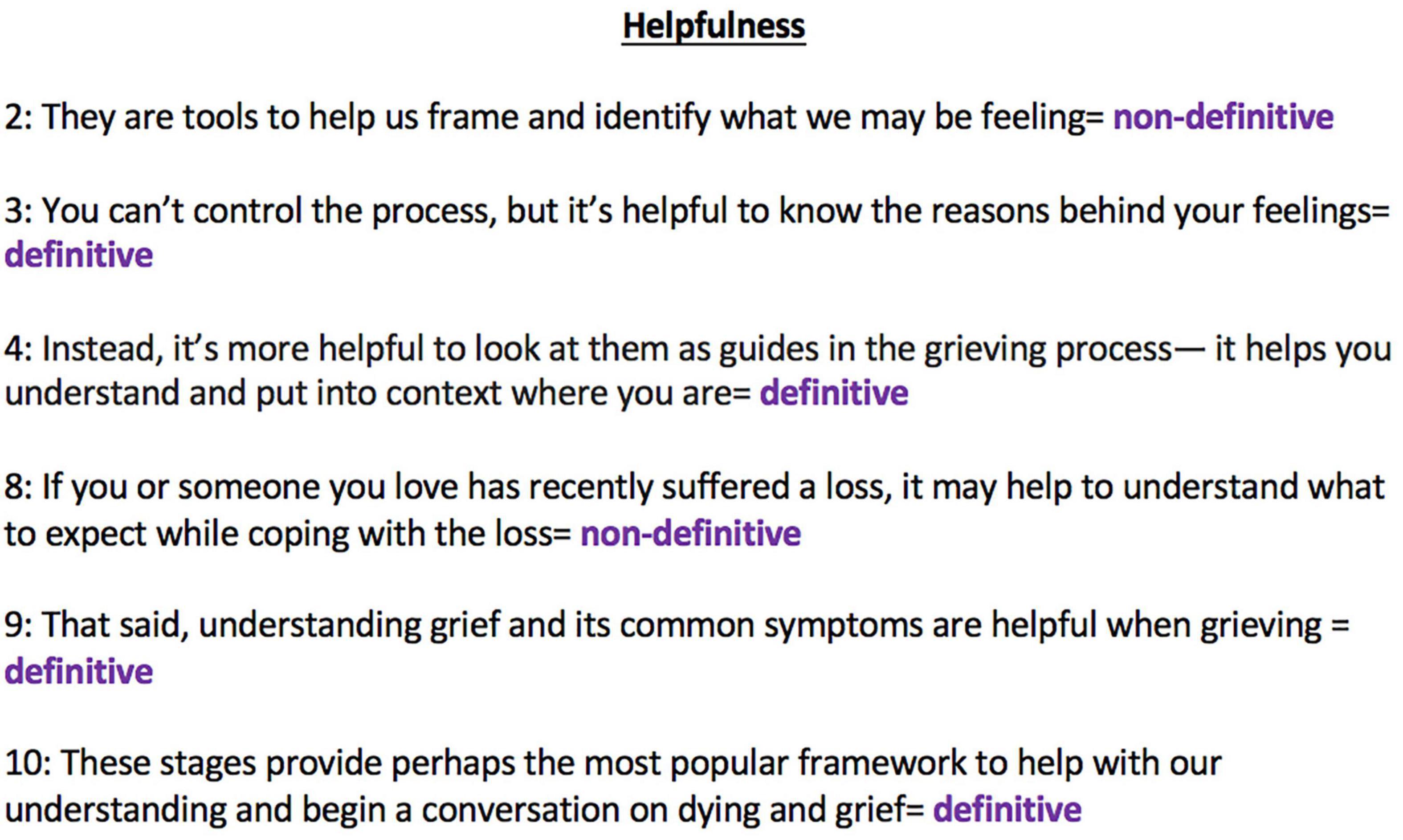
Individuals speak about the 5 stages of pain as: rejection anger bargaining clinical depression approval. In fact, we do not experience sensations of pain one by one or in a specific order. We know that there are no set stages that everyone experiences. You might experience these points because they are all normal sensations of pain.
Some individuals really feel numb after the death of an individual they cared around. If you experience this, it might be due to the fact that it's simply too tough to think that the person you know so well is not coming back.
Stress Threshold: Widening Your Ability Through Therapy
Perhaps they assure themselves that they will certainly now always do (or not do) something, believing that it could make the person who has actually died come back. People might also locate that they maintain going back over the past and ask whole lots of 'what if' concerns, wanting that they can go back and alter things so that they might have transformed out in a different way.
These feelings can be really extreme and excruciating, and they might reoccur over several months or years. But most individuals locate that unpleasant sensations like this ended up being much less strong gradually. If you do not feel this holds true for you, then you should request for help.
Her design came to be commonly accepted as a way to comprehend despair, but with time, grief counsellors and researchers broadened upon it, causing the growth of the. This extensive design integrates added psychological responses that individuals may experience: The initial response to loss typically brings shock and disbelief. This stage works as a protective system, allowing us to soak up the reality of our loss in convenient doses.
Generalized Anxiety in Successful Professionals
As the shock fades, deep emotional discomfort embed in. Feelings of remorse or sense of guilt may arisewondering if you could have done something in a different way, or sensation sorrow over points left unsaid. It's crucial to acknowledge these sensations rather than subdue them. Despair can show up as angertoward yourself, others, or perhaps the person who has actually passed.

Table of Contents
- – Reparenting for Adults Through IFS in San Fran...
- – How Narrative Therapy Brings for Professionals...
- – Internal Family Systems: Working with Your In...
- – IFS Treatment for Therapists in San Francisco
- – Understanding the Effect of Ancestral Wounds...
- – Stress Threshold: Widening Your Ability Thro...
- – Generalized Anxiety in Successful Professionals
Latest Posts
When Late Diagnosis Worsens Frustration
Regulation Through Somatic Techniques
Creating Sustainable Expectations Aligned with True Needs
More
Latest Posts
When Late Diagnosis Worsens Frustration
Regulation Through Somatic Techniques
Creating Sustainable Expectations Aligned with True Needs